
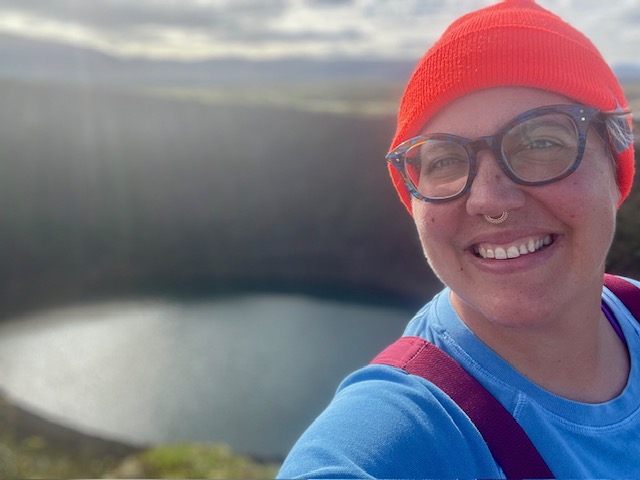
About
Hi there—I'm so glad you're here.
My approach to therapy is grounded in intersectional feminism, trauma-informed care, disability justice, and liberation psychology. I don’t see your pain as something to fix or pathologize—but as a wise, often protective response to harm, disconnection, or systems that weren’t built to support your thriving. Together, we’ll explore the deeper roots of your distress—centering your truth, your dignity, and your pace.
I work from a restorative lens, honoring the possibility of healing that doesn't require erasing the past but instead tending to it—gently, collaboratively, and with deep respect for what you’ve carried. I’m drawn to Internal Family Systems (IFS) for the way it allows us to welcome all parts of you, especially those that may have been silenced or shamed. I also plan to pursue Brainspotting training as a way to further support body-based healing and nervous system care.
I believe therapy shouldn’t be about “getting over it” or becoming endlessly resilient. Sometimes healing looks like rest. Like softness. Like finally letting go of urgency, or unlearning the need to explain yourself. My work is about making space for that: for clarity, calm, co-regulation—and yes, for joy and play, too.
Whether we’re processing trauma, navigating identity, or building skills for boundary-setting, self-trust, and mutual care, my commitment is to show up with honesty, compassion, and a deep belief in your inherent worth. I see therapy as a space where we re-learn what safety can feel like—especially for those who have felt unseen or misunderstood elsewhere.
I’m also committed to lifelong learning—not just as a therapist, but as a person navigating my own complexities, contradictions, and hopes. If this feels like the kind of support you're looking for, I’d be honored to connect.
Areas of Expertise
- Trauma and complex PTSD
- IFS-informed therapy
- Somatic and nervous system care
- Identity exploration
- Shame and self-worth
- Boundaries and self-trust
- Restorative healing
- Grief and transitions
- Perfectionism, urgency, and people-pleasing
- Cultural or Family of origin wounding
- Anti-oppressive, liberation-based care
Populations
- LGBTQQIP2SAA Adults
- Neuro expansive and/or disabled folks
- Young adults and college students
- People with chronic illness or pain
- Caregivers and healing professionals